Have you thought about the environmental surprises that could turn your commercial property into a multi‑hundred‑thousand‑dollar problem?
The Hidden Environmental Risks In Commercial Property Ownership
You probably understand the basics of owning commercial real estate — rent rolls, maintenance, taxes. What many owners miss are the environmental liabilities that can silently accumulate on a property and suddenly become urgent liabilities. This article walks you through the common hidden environmental risks, how they become your responsibility, and the insurance and risk‑management strategies you can use to protect your investment.
Why environmental risks matter to you
Environmental conditions can affect the value, operability, and insurability of your property. If contamination is discovered, you can face cleanup costs, regulatory penalties, third‑party claims for bodily injury or property damage, and long project delays. You need to understand these risks so you can plan, assign responsibilities, and obtain appropriate protection.
How environmental risks become your responsibility
You may assume the party that created contamination is liable, but laws and regulations often make owners and operators responsible regardless of fault. Lenders, buyers, tenants, and regulators will look to owners when contamination is found. Leases, purchase agreements, and regulatory frameworks determine who pays, but those documents rarely eliminate regulatory obligations. You should always assume you might have to act.
Common hidden environmental risks
Below are the most frequent and potentially costly environmental risks you may encounter as a commercial property owner. Each subsection explains what to look for and what the consequences can be.
Underground storage tanks (USTs)
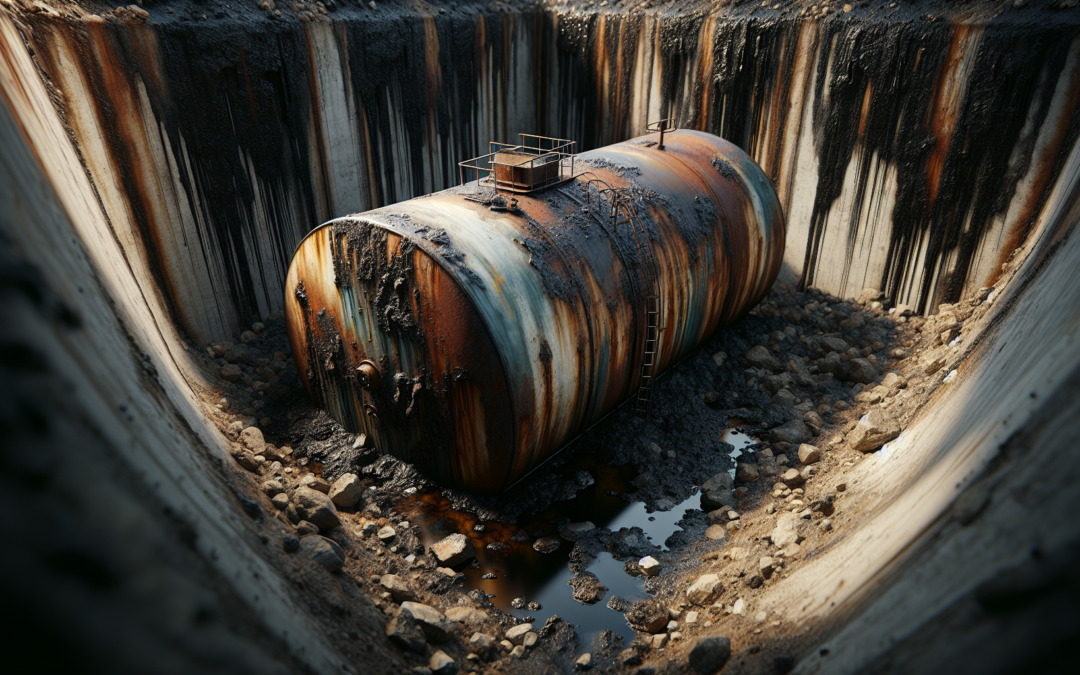
Many commercial properties — especially older gas stations, service facilities, and some industrial sites — once had USTs for fuel or chemicals. Tanks can corrode or leak, releasing petroleum into soil and groundwater. Cleanup can cost tens of thousands to millions of dollars depending on the extent and whether groundwater is impacted. Signs include stained soil, fuel odors, and historical records indicating past fuel sales.
Contaminated soil and groundwater
Soil and groundwater contamination can come from historical practices, spills, industrial processes, dumping, or migration from adjacent sites. Impacts may require excavation, pump‑and‑treat systems, or monitored natural attenuation. Costs vary widely; a small excavation may be $10k–$50k while complex groundwater remediation can be $500k–$5M or more.
Vapor intrusion
Volatile contaminants in groundwater or soil can migrate as vapors into buildings, creating indoor air quality and health concerns. You might discover vapor intrusion when tenants complain of odors or health symptoms, or through indoor air testing required by regulators. Mitigation can mean sub‑slab depressurization systems, soil vapor extraction, or building ventilation upgrades.
Asbestos, lead, and mold
Older buildings commonly contain asbestos in insulation, pipe wrapping, floor tiles, or roofing, and lead in paint and plumbing. Mold can grow where moisture is unmanaged. Abatement and remediation studies can be costly and disruptive. If removal is done improperly, you can trigger higher exposures and claims. Asbestos and lead also involve strict handling and disposal rules.
Per‑ and polyfluoroalkyl substances (PFAS)
PFAS are persistent “forever chemicals” used in firefighting foam, textiles, and many industrial uses. Increasing regulatory focus has made PFAS discovery an expensive issue; cleanup is technically challenging and costly. You could face soil and groundwater testing requirements, remediation obligations, and third‑party concerns if PFAS is found migrating offsite.
Industrial wastes and process chemicals
Equipment leaks, storage drum failures, and improper disposal of solvents, acids, or heavy metals can leave legacy contamination. If your tenant or a prior owner used hazardous chemicals, you might inherit responsibility for cleanup and waste disposal compliance.
Stormwater and illicit discharges
Poor stormwater controls or illicit connections can cause pollutant discharges to storm drains and waterways. You may be subject to municipal or state stormwater permits, fines for violations, and corrective actions. Erosion, sedimentation, and contaminated runoff from materials stored outside are common triggers.
Illegal dumping and off‑site migration
Neighbors or former occupants may have dumped waste on your property or contaminants may migrate from nearby sites. Even if you didn’t cause the problem, you may still be the responsible party under local or federal law.
Tenant operations and practices
Tenant activities — auto repair, auto body work, dry cleaning, manufacturing, or storage of chemical products — can create environmental exposures. Leases need clear environmental clauses to allocate responsibility; otherwise you may bear cleanup costs or face claims from neighbors.
Transportation and haulers
If hazardous wastes or materials are transported to or from your property, accidents or improper handling by haulers can cause spills and fines. Hauler selection and insurance verification are key controls.
Regulatory frameworks and potential penalties
Environmental liability is shaped by federal, state, and local regulations. Laws like CERCLA (Superfund) in the U.S. create strict liability for releases of hazardous substances. RCRA covers hazardous waste management. State laws often mirror or expand federal frameworks. Violations can trigger cleanup orders, fines, civil lawsuits, and criminal penalties in extreme cases. You need to know the applicable rules for your jurisdiction and property use.
Environmental due diligence: Phases and purpose
Due diligence can reveal or reduce your risk in transactions and ongoing ownership. The ASTM E1527 Phase I Environmental Site Assessment (ESA) is the standard starting point, and may be followed by Phase II and Phase III activities. Below is a quick breakdown.
| Due Diligence Phase | What it does | Typical deliverables |
|---|---|---|
| Phase I ESA | Identifies Recognized Environmental Conditions (RECs) via records review, site inspection, interviews | Written report with findings and recommended next steps |
| Phase II ESA | Investigates suspected contamination with soil, groundwater, or building sampling | Lab results, contaminant concentrations, conceptual site model |
| Phase III / Remedial Action | Remediation design and implementation | Cleanup plan, regulatory approvals, construction and closure reports |
A Phase I alone does not eliminate liability, but it can qualify you for certain defenses and will inform insurance underwriting. If a Phase I identifies RECs, a Phase II helps quantify risk and cost.
Environmental insurance solutions you should know about
Insurance is a powerful tool to transfer or limit your financial exposure when remediation or third‑party claims arise. Below are common environmental policy types you should consider.
Pollution Legal Liability (PLL)
PLL covers you for third‑party bodily injury and property damage claims, defense costs, and cleanup expenses arising from pollution conditions both on and off the site. PLL is commonly used for owners, developers, and facilities with potential legacy contamination. It can be written on a claims‑made basis with tailored retroactive dates and coverage for pre-existing conditions when negotiated.
Contractors Pollution Liability (CPL)
If you hire contractors who handle hazardous materials or perform remediation, CPL covers pollution losses caused by contractor operations. It’s critical for environmental contractors, restoration companies, and anyone engaging firms that could cause releases during work.
Real Estate Transactional Coverage (RETC or REPS)
Transactional policies are designed for buyers / sellers in property transactions. They can protect buyers from unknown contamination discovered after closing and sellers from post‑closing claims. These policies often provide an efficient alternative to long indemnity negotiations and escrow holdsbacks.
Asbestos, Lead & Mold Coverage
Specialized endorsements or stand‑alone policies can cover abatement costs, bodily injury claims, and property damage related to asbestos, lead, and mold. Since these materials trigger special regulatory handling, this coverage can be essential for older buildings.
Products Pollution
If products you manufacture or sell cause pollution offsite (e.g., a chemical contaminant in a product), products pollution policies respond to cleanup and third‑party claims.
Hazardous Haulers / Transportation
For risks tied to transportation of hazardous materials, policies for hazardous haulers and transportation liability can cover spills, cleanup, and third‑party claims. You should require certificates of insurance and appropriate limits from contracted transporters.
Site Pollution Risks
These programs focus on site‑specific pollution risks, including coverage for remediation costs, natural resource damages, and loss of income while remediation is performed.
Environmental Consultants & Engineers / Laboratories
Professionals who advise on remediation and testing need professional liability and pollution coverage. Claims against consultants for faulty advice or lab errors can be expensive; ensure your vendors carry appropriate insurance.
Weatherization & Restoration Contractors
Weatherization and restoration work can disturb hidden hazards (asbestos, lead, mold). Specialty policies for these contractors combine professional, pollution, and GL elements to respond to those exposures.
Matching risks to insurance solutions
Use the table below to quickly match common risks to the insurance solutions you should consider.
| Risk | Insurance to consider |
|---|---|
| Unknown soil/groundwater contamination | PLL, Transactional Pollution Liability |
| Disturbing asbestos/lead during renovation | Asbestos/Lead Coverage, Contractor CPL |
| Tenant chemical spills | PLL (landlord), Tenant’s CPL/GL, Leasehold policies |
| Hauler accident during transport | Hauler Transportation Liability, Pollution Liability |
| Remediation project errors | CPL for contractors, Environmental Professional Liability |
| PFAS discovery | PLL with PFAS endorsements or tailored wording |
| Vapor intrusion | PLL, Site Pollution Coverage, cost to abate systems |
| Stormwater violations | PLL or environmental liability with stormwater extension |
Policy features and endorsements to watch
When you discuss policies with a broker or carrier, pay attention to these features:
- Retroactive date: determines coverage for pre‑existing conditions. A favorable retro date can be key.
- Discovery period (for claims‑made): time you can report claims after policy expiration.
- Coverage territory: ensure the policy covers the states where your properties are located.
- Pollution exclusions and specific contaminant exclusions: watch for PFAS, asbestos, lead, or mold carve‑outs.
- Legal defense outside limits or within limits: affects how defense costs reduce available limits.
- Cleanup cost caps and sublimits: ensure remediation funds are adequate.
- Third‑party bodily injury and property damage limits: sufficient to cover potential claims.
- Natural resource damages: inclusion can be important if environmental resources are affected.
- Business interruption / time element coverage: helpful when a tenant or property is unusable during remediation.
How environmental insurance underwriting works
Insurers evaluate the site, operations, history, and proposed protections. Underwriting typically requires:
- Phase I ESA report (and Phase II if RECs exist)
- Historical operational records (UStorages, spills, permits)
- Site plans, tenant list, current and prior uses
- Remediation reports if cleanup occurred
- Loss history for past pollution incidents
- Engineering controls or mitigation plans in place
Premiums are driven by perceived risk: known contamination, proximity to sensitive receptors (schools, water supply), presence of USTs, groundwater depth, tenant mix, and claims history. Expect underwriters to request conditions or site improvements to reduce risk before offering terms.
Practical risk management actions you can take
You don’t need to rely solely on insurance. Implement these proactive practices:
- Conduct Phase I ESAs during acquisitions and periodically for held assets.
- Require tenants to disclose operations and obtain certificates of insurance including pollution coverage when appropriate.
- Add environmental indemnities and insurance obligations in leases and contracts.
- Implement routine inspections of storage areas, mechanical systems, and exterior yards.
- Store hazardous materials in secondary containment and limit quantities on site.
- Vet contractors: check CPL, GL, and pollution endorsements; require appropriate limits.
- Keep records of previous site investigations, remediation, and permits available.
- Maintain stormwater controls and pollution prevention plans.
- Train maintenance staff on spill response and reporting protocols.
Contractual and transactional strategies
When negotiating purchases or leases, structure agreements to allocate environmental risk.
- Purchase agreements: use representations, warranties, indemnities, and escrows to manage known and unknown risks.
- Seller environmental indemnities: require the seller to warrant known conditions and provide a repair escrows for remediation.
- Transactional insurance: consider a buyers’ or sellers’ pollution policy to cap exposures and close faster.
- Lease clauses: require tenants to comply with environmental laws, indemnify the landlord for their activities, and carry appropriate insurance.
- Lender protections: lenders typically require Phase I ESAs and environmental insurance to protect loan collateral.
Claims scenarios — how incidents typically play out
These short scenarios show how risks translate into costs and how insurance can respond.
Scenario 1: Hidden UST discovered during redevelopment You buy a former service station and begin demolition. A Phase II reveals a leaking UST with extensive groundwater impact. Cleanup costs exceed $1M. If you purchased PLL or a transactional policy with a favorable retroactive date, remediation dollars and defense costs may be covered; without coverage, you fund cleanup, face potential regulatory orders, and suffer construction delays.
Scenario 2: Tenant solvent spill A tenant performing light manufacturing allows solvents to leak into the yard and storm drain. The municipality orders cleanup and issues fines; neighbors claim property damage from runoff. Tenant indemnity, tenant’s CPL and your PLL can all play roles. If the tenant’s insurance is inadequate, your PLL may respond to third‑party claims and remediation.
Scenario 3: Asbestos disturbed during renovation During HVAC upgrade, workers disturb asbestos insulation. Tenants report symptoms, and regulators require abatement. An asbestos endorsement or a contractor’s CPL can cover abatement and claims; if missing, you could be liable for expensive abatement and litigated claims.
Cost drivers and timelines for remediation and insurance
Several factors drive the financial and time impacts:
- Contaminant type: petroleum vs heavy metals vs PFAS — remediation complexity differs.
- Extent and depth of contamination: deeper plumes cost more and take longer.
- Groundwater involvement: pumps, treatment systems, and long‑term monitoring increase costs.
- Receptors affected: nearby drinking wells, wetlands, or sensitive habitats raise regulatory scrutiny.
- Legal and negotiation process with regulators: can add months or years to closure.
- Insurance procurement and underwriting timelines: obtaining pollution insurance can take weeks to months depending on complexity.
- Claim resolution: remediation and legal resolution can take years in severe cases.
Plan for long timelines and secure interim controls to limit liabilities while solutions are implemented.
Choosing an environmental insurance broker
Select a broker experienced in environmental risk and the specialty programs you need. Ask potential brokers:
- Which carriers do you use for PLL, CPL, and transactional policies?
- Can you provide examples of placements for similar properties?
- How do you handle underwriting for pre‑existing contamination?
- What endorsements do you recommend for PFAS, asbestos, or stormwater?
- Can you craft lease wording to protect my interests?
- What is the expected timeline for binding coverage?
A knowledgeable broker can streamline documentation, negotiate favorable retro dates, and help tailor coverage to your property and transaction.
Specialty programs BC Environmental Insurance supports
You should ensure your broker or carrier can handle specialty exposures. Programs often needed include:
- Environmental Consultants & Engineers: professional liability and pollution coverage for consultants.
- Laboratories: coverage for testing errors, contamination, and sample handling mistakes.
- Products Pollution: coverage if a product causes environmental release.
- Environmental Contractors: CPL for remediation and abatement firms.
- Hazardous Haulers Transportation: coverage for transportation incidents and spills.
- Asbestos, Lead & Mold Coverage: specialized coverage for hazardous building materials.
- Site Pollution Risks: site‑specific pollution liability programs.
- Weatherization Contractors: coverage for contractors whose work can disturb hazards.
- Restoration Contractors: coverage for firms restoring properties after disasters.
- Real Estate Transactional Coverage: policies for buyers and sellers to manage unknowns during closings.
These programs can be tailored to your needs and can provide a combination of third‑party liability, first‑party remediation costs, and professional liability protections.
Practical checklist for commercial property owners
Use this checklist to assess and reduce environmental risk.
| Action | Frequency |
|---|---|
| Obtain Phase I ESA for acquisitions | Every transaction |
| Require tenant environmental disclosures | At lease execution and renewals |
| Verify insurance certificates and pollution endorsements | Annually |
| Inspect storage and handling areas | Quarterly |
| Maintain spill kits and response plans | Ongoing |
| Establish emergency contact and regulatory reporting procedures | Ongoing |
| Consider PLL or transactional insurance for known or potential contamination | At contract negotiation |
| Include environmental indemnities in contracts and leases | Negotiation stage |
| Keep historical site records organized | Ongoing |
Frequently asked questions
You likely have specific concerns. Below are concise answers to common questions.
Q: Can environmental insurance cover pre‑existing contamination? A: Yes, with the right retroactive date and negotiated wording. Transactional policies and PLL forms can be tailored to include pre‑existing conditions, but carriers will underwrite based on Phase I/II findings.
Q: Will a Phase I ESA protect me from liability? A: A Phase I helps identify risks and may support defenses under certain laws, but it doesn’t eliminate regulatory obligations. It is mainly a risk‑assessment and underwriting tool.
Q: How much does environmental insurance cost? A: Premiums depend on site risk, operations, limits, retention, and prior contamination. Small, low‑risk sites may pay a few thousand dollars annually; high‑risk sites or transactional policies for contaminated sites can cost tens to hundreds of thousands.
Q: What limits and retentions should I choose? A: Limits should reflect potential worst‑case remediation and third‑party claims exposure. Retentions are the amount you pay before coverage responds; high retentions lower premiums but increase your out‑of‑pocket risk.
Q: How long do environmental claims take to resolve? A: Cleanup and claim resolution timelines vary: small cases may resolve in months; complex groundwater or litigation cases can take years.
Q: Do landlord policies typically cover tenant pollution? A: Standard commercial general liability often excludes pollution. Landlord PLL or specific endorsements are usually necessary to address tenant‑caused pollution.
Practical lease wording tips to protect yourself
When drafting or reviewing leases, include clear provisions:
- Define prohibited environmental practices and required compliance with laws.
- Require tenants to carry pollution liability insurance and name the landlord as additional insured.
- Insert tenant indemnification for environmental claims caused by tenant activities.
- Reserve landlord’s right to inspect and require corrective measures for environmental hazards.
- Address responsibility for pre‑existing conditions and post‑termination cleanup.
Clear lease language reduces ambiguity and provides contractual remedies.
Final thoughts: being proactive pays
Environmental risks are often invisible until a discovery triggers regulatory orders, cleanup, and claims. The costs — financial, operational, and reputational — can be severe. By combining thorough due diligence, proactive operational controls, thoughtful contract language, and tailored environmental insurance, you can significantly reduce your exposure and protect your property value.
Find out how BC Environmental Insurance Services can help you! Call us at (800) 257-1639 to discuss your Environmental Insurance Service needs.