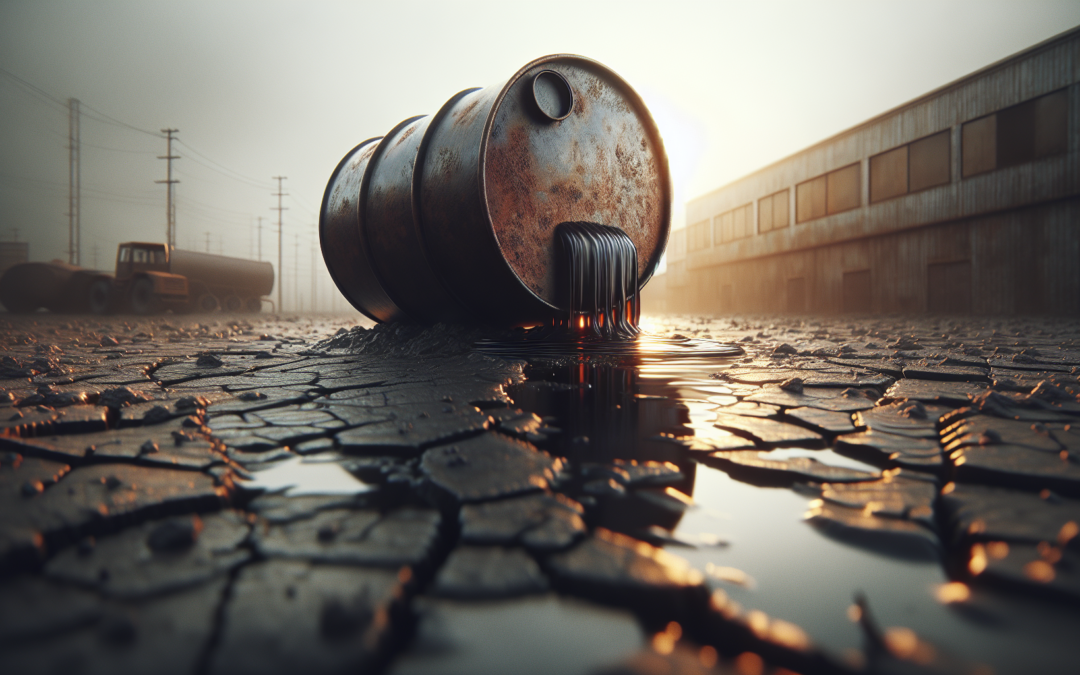
Have you ever wondered what would happen to your business if an environmental accident triggered a costly cleanup or a lawsuit?
How Pollution Legal Liability Insurance Protects Your Business From Costly Claims
Pollution Legal Liability (PLL) insurance is designed to protect your business from financial loss arising from pollution-related incidents, contamination, or environmental claims. If you manage property, handle hazardous materials, provide environmental services, transport regulated wastes, or are involved in real estate transactions, PLL can close gaps that general liability policies often leave exposed.
What PLL means for you
You gain coverage for third-party claims, cleanup costs, defense expenses, and sometimes regulatory actions tied to sudden releases or gradual pollution events. That protection can keep a pollution incident from becoming an existential threat to your operations and reputation.
Why your general liability policy may not be enough
General Liability (GL) policies typically exclude pollution, or limit coverage to sudden and accidental releases occurring on your premises. That leaves many modern risks uncovered: groundwater contamination, legacy site conditions, transport spills, or damages arising from professional advice. PLL policies are written specifically to respond to environmental exposures and fill those gaps.
Key differences between GL and PLL
- GL: focuses on bodily injury and property damage resulting from covered operations; often excludes gradual pollution and many environmental cleanup costs.
- PLL: tailored for pollution events, indemnifies cleanup, third-party claims, defense, and regulatory liability; can cover professional services, completed operations, and transportation exposures.
Main coverage components of PLL
PLL policies vary, but most include the following core elements to protect your business.
Third-party bodily injury and property damage
This covers claims from people or neighboring property owners who suffer illness, injury, or property harm because of pollution originating from your operations. You get defense and indemnity for covered claims.
Cleanup and remediation costs
PLL pays for investigation, remediation, and removal of pollution from soil, groundwater, surface water, and structures, subject to limits and applicable cleanup standards. This coverage is often the most valuable because cleanup costs can escalate quickly.
Defense costs and legal expenses
Your policy typically covers legal defense costs for covered pollution claims. Policies differ on whether defense costs erode policy limits or are paid in addition to limits, so this is an important distinction to understand.
Regulatory response and fines (where allowed)
Some PLL forms cover regulatory cleanup oversight costs, response expenses ordered by government agencies, and certain regulatory fines or penalties where permitted by law. This coverage can be crucial when regulators require immediate action.
On-site and off-site coverage
PLL can apply to pollution on your premises and, crucially, to off-site consequences of your operations — such as a groundwater plume or a spill during transport — which GL often excludes.
Contractual liability and completed operations
If you sign contracts that shift pollution responsibility to you (for example, cleanup warranties in contractor agreements), PLL can provide the contractual liability protection needed to meet those obligations.
Common policy features you’ll encounter
Understanding the insuring agreement details can save you from surprises at claim time.
Claims-made vs occurrence
Most PLL policies are written on a claims-made basis, meaning the policy in force when the claim is made will respond, provided the covered act occurred after the retroactive date. You’ll need to manage retroactive dates and extended reporting periods carefully.
Retroactive date and prior acts coverage
The retroactive date determines how far back covered pollution events can originate. If you need protection for historical operations or known pre-existing conditions, a retroactive date that predates those operations is essential.
Deductible / retention
Retentions (your out-of-pocket responsibility) can apply per claim or per pollution condition. They’re often higher than typical GL deductibles, reflecting the specialized nature of environmental exposures.
Limits of insurance
Limits vary widely. You should evaluate potential worst-case cleanup scenarios and claim exposure when selecting limits. Higher limits are common in real estate transactions, brownfield redevelopment, and contractor operations.
Notice, cooperation and defense provisions
Claims-made forms require prompt notice and cooperation during investigations. Failure to notify within policy timelines or to cooperate can jeopardize coverage. Read your notice and cooperation obligations so you don’t unintentionally forfeit protection.
Who benefits from PLL: specialty programs we offer
Different businesses face different pollution risks. Below is a breakdown of specialty programs and how PLL addresses common exposures for each.
Environmental Consultants & Engineers
You provide professional advice, reports, and remediation design. If your recommendations or work (or lack thereof) lead to the discovery of additional contamination or damages, you can face third-party claims and regulatory actions. PLL can cover professional liability tied to environmental recommendations and the physical damages resulting from those recommendations.
Laboratories
Labs handle chemicals, samples, and reagents. Cross-contamination, improper disposal, or release during handling can contaminate facilities or clients’ sites. PLL covers cleanup, third-party claims, and defense for lab-related pollution events.
Products Pollution
If a product you manufacture or distribute causes environmental damage — for example, leaching chemicals or defective containers that break down — PLL for products pollution addresses claims and cleanup from released pollutants associated with your products.
Environmental Contractors
Remediation and construction contractors handling contaminated soils, waste, or remediation systems face high potential for off-site migration, worker exposure, and regulatory action. Contractors’ pollution policies address on-site and completed operations exposure, along with transport and disposal risks.
Hazardous Haulers & Transportation
Fuel, chemical, and waste haulers can face catastrophic costs when an accident releases pollutants on roadways, waterways, or adjacent properties. PLL tailored for transportation covers spills, third-party claims, emergency response, and cleanups stemming from transport incidents.
Asbestos, Lead & Mold Coverage
Abatement and renovation activities can disturb hazardous building materials. Specialized endorsements address claims and abatement costs related to asbestos, lead-based paint, and mold, which are often excluded under standard pollution forms unless added.
Site Pollution Risks
Owners and operators of industrial sites, brownfields, and former manufacturing properties can face legacy contamination discovered during redevelopment or ownership transfer. Policies designed for site pollution risks cover pre-existing contamination, remediation, and liability from historic releases.
Weatherization & Restoration Contractors
Weatherization contractors installing insulation or vapor barriers and restoration contractors remediating water or fire damage can trigger mold, moisture intrusion, or improper disposal issues. PLL for these trades provides remediation and third-party claim protection for resultant pollution exposures.
Real Estate Transactional Coverage
When you buy or sell property, environmental due diligence can uncover liabilities. Real estate transactional (or environmental liability transfer) policies cover unknown pre-closing contamination discovered after the transaction, giving you negotiation leverage and protection against unexpected cleanup costs.
Typical claims and real-world scenarios
Understanding real-life claim patterns helps you assess your exposure and the value of coverage.
Scenario 1 — A contractor disturbs contaminated soil
You hire a contractor to excavate for utilities. The contractor inadvertently releases previously contained contamination, spreading it to surrounding soil and groundwater. Cleanup and monitoring costs escalate into the hundreds of thousands, and adjacent property owners file lawsuits for property damage and business interruption. PLL for contractors covers cleanup and defense.
Scenario 2 — A hauler overturns a tanker
Your contracted hauler overturns on a highway, releasing hazardous product into a nearby stream. Emergency response, containment, cleanup, fishery restoration, fines, and litigation collectively produce multimillion-dollar expenses. Transportation PLL can cover those costs, preventing the expense from falling to your organization.
Scenario 3 — A lab mislabels a sample
A laboratory incorrectly labels samples, resulting in improper disposal of hazardous waste that contaminates a municipal sewer system. PLL for labs covers regulatory cleanup, remediation costs, and third-party claims from the municipality.
Scenario 4 — Mold after restoration work
A restoration contractor completes water mitigation after a flood but fails to dry materials thoroughly. Mold develops, causing tenant illnesses and necessitating demolition and removal. PLL with mold endorsements can respond to related claims.
Table: Comparing PLL coverage by specialty
| Specialty Program | Typical Exposures | Key Coverages Offered |
|---|---|---|
| Environmental Consultants & Engineers | Bad advice, missed contamination | Professional services coverage, PI-related pollution cleanup |
| Laboratories | Chemical spills, sample mix-ups | On-site/off-site cleanup, third-party claims |
| Products Pollution | Leaking products, defective containers | Product-related contamination defense and cleanup |
| Environmental Contractors | Remediation errors, disposal issues | Completed operations, on-site cleanup, transport |
| Hazardous Haulers Transportation | Accidents, spills en route | Emergency response, cleanup, third-party claims |
| Asbestos/Lead/Mold | Disturbance during renovation | Abatement costs, claims for exposure |
| Site Pollution Risks | Legacy contamination, brownfields | Pre-existing conditions, remediation liability |
| Weatherization | Insulation moisture issues | Mold, moisture-related cleanup |
| Restoration Contractors | Improper drying, contamination spread | Mold/contamination remediation, liability |
| Real Estate Transactional | Unknown pre-closing contamination | Environmental protection for buyers/sellers |
Exclusions and limitations you need to watch
No policy covers everything. Familiarize yourself with common exclusions so you can ask about endorsements or supplementary coverage.
Typical exclusions
- Intentional pollution acts or known illegal acts.
- Pollution already known to you that occurred before the retroactive date (unless covered by prior acts or an extended reporting period).
- Certain statutory fines and penalties where prohibited by law.
- War, nuclear hazards, and naturally occurring radioactive materials (depending on form).
- Contractual liability for pollution unless the policy specifically includes contractual pollution coverage.
- Employee bodily injury (often covered by workers’ compensation instead).
Common policy limits and caps
Some policies cap remediation costs for specific media (e.g., groundwater) or set sublimits for certain coverages like mold or lead abatement. Ask for full details and whether defense is within limits or in addition to limits.
How pricing and underwriting work
Pricing reflects the likelihood and severity of pollution exposure. Underwriters evaluate your operations, history, and controls.
Key underwriting factors
- Type of operations and materials handled.
- Historical site conditions and prior incidents.
- Location (proximity to groundwater, bodies of water, sensitive receptors).
- Waste handling and storage practices (tanks, drums, secondary containment).
- Transportation and off-site exposure.
- Contracts and indemnification obligations.
- Loss history and claims frequency.
- Environmental management systems and training.
What retentions and limits typically look like
Retentions range from modest to high depending on risk. For smaller trades, retentions might be several thousand dollars; for contractors or large sites, they can be tens to hundreds of thousands. Limits range from $500,000 for smaller operations up to $10 million or more for high-risk projects or transactional coverage.
Practical tips for buying PLL
When you consider PLL, take steps to get the right coverage for the right price.
1. Perform a risk inventory
You should identify where pollutants are stored, how they’re transported, who handles them, and potential receptors. The more complete your risk picture, the more accurate coverage placement will be.
2. Gather documentation
Be ready with site maps, past environmental reports, MSDSs, disposal records, training programs, emergency response plans, and contracts. These accelerate underwriting and can lower premiums.
3. Understand the policy form
Ask whether the policy is claims-made, how retroactive dates are handled, whether defense costs erode limits, and what endorsements are available. Insist on clear definitions for “pollutant,” “release,” and “cleanup.”
4. Negotiate endorsements
You may need endorsements for professional services, contractual liability, transportation, or coverage for specific contaminants like asbestos or lead. Negotiate these early.
5. Consider limits and aggregate exposure
Think about worst-case cleanup scenarios and regulatory involvement. Choose limits that protect not just your balance sheet but also business continuity and contractual obligations.
6. Work with a specialized broker
A broker with environmental insurance expertise can access markets, explain subtle policy differences, and structure coverage to match your exposures.
Steps to manage a pollution claim effectively
How you respond during an incident affects costs and coverage outcomes.
Immediate actions you should take
- Notify your insurer as soon as you suspect a release or receive a claim.
- Implement emergency response procedures to stabilize the situation and prevent further harm.
- Preserve evidence: keep records, photos, and logs of actions taken.
- Cooperate with insureds’ obligations: your policy likely requires timely notice and cooperation.
Working with cleanup professionals
Engage qualified environmental consultants and remediation contractors to evaluate and implement cleanup. Insurers often accept certain vendors or may coordinate with pre-approved response contractors in the early stages.
Communication and regulatory interaction
Communicate with regulators promptly and document all interactions. Your insurer may be able to help manage regulatory negotiations or provide approved technical experts.
Defense and settlement
Let your insurer handle defense strategy under policy terms, but be actively involved. Timely settlements can reduce defense costs and limit long-term monitoring obligations.
Cost drivers of pollution claims
Knowing what drives claim costs helps you prioritize mitigation.
- Complexity of contamination (mixtures of contaminants are costlier).
- Extent of contamination (depth and spread to groundwater).
- Proximity to sensitive receptors (public water supplies, wetlands).
- Regulatory stringency in the jurisdiction.
- Number of claimants (multiple property owners, tenants, municipal claims).
- Litigation duration and legal complexity.
- Long-term monitoring and institutional controls.
How PLL supports business continuity and contracts
Beyond direct financial coverage, PLL can support your operations strategically.
Meeting contractual requirements
Many contracts require pollution indemnity or proof of PLL coverage. Having specialized insurance lets you bid on larger projects and satisfy client risk-transfer requirements.
Protecting reputation and relationships
Fast response backed by insurance demonstrates responsible stewardship to customers, community members, and regulators, preserving trust during difficult incidents.
Enabling transactions and redevelopment
Real estate buyers, lenders, and developers often require environmental insurance to facilitate transactions or secure financing. PLL for transactional coverage speeds closings and reduces seller/buyer disputes.
Sample checklist to request a PLL proposal
Provide this to your broker to get accurate quotes.
- Description of operations and services.
- Address and site maps for all locations.
- List of chemicals, quantities stored, and storage methods.
- Waste disposal procedures and transport routes.
- Copies of environmental assessments, Phase I/II reports, remediation plans.
- Insurance history and past environmental claims.
- Contracts with indemnities, subcontractor arrangements.
- Safety and training programs, spill prevention plans.
- Tank inventories (USTs/ASTs), containment features.
- Desired limits, retention, retroactive date requirements.
Frequently asked questions (FAQ)
Will PLL cover old contamination I didn’t know about?
Possibly, if the policy’s retroactive date predates the contamination or if you purchase specific prior pollution coverage. Transactional policies commonly cover unknown pre-closing contamination.
How quickly do I have to notify the insurer?
Claims-made policies require prompt notice as soon as you learn of a potential claim or release. Specific timeframes vary, so read your notice requirements to avoid coverage disputes.
Does PLL cover fines and penalties?
Some policies cover regulatory cleanup oversight costs and certain fines where allowed by law. Coverage of penalties is jurisdiction-dependent and may be excluded — confirm with your carrier.
Can PLL be combined with professional liability?
Yes. For consultants and engineers, tailored programs can combine professional liability and pollution coverage to address both negligent advice and resultant environmental harm.
Do independent contractors need coverage?
If you use subcontractors, require appropriate PLL or contractors pollution liability from them through contract language and certificates of insurance. Your policy may help, but primary responsibility often lies with the direct contractor.
Checklist for ongoing risk management
To reduce premiums and limit claims frequency, maintain good environmental practices.
- Implement regular training and refresher programs for handling hazardous materials.
- Maintain up-to-date spill prevention and emergency response plans.
- Use proper containment, secondary containment, and labeling systems.
- Audit vendors and haulers for compliance and insurance.
- Document waste manifests, disposal certificates, and chain-of-custody records.
- Monitor historical sites and conduct periodic environmental assessments.
Closing recommendations
Pollution Legal Liability insurance provides specialized protection that can mean the difference between a recoverable incident and a business-ending loss. To protect your business effectively:
- Evaluate your exposures honestly and comprehensively.
- Choose policy forms and retroactive dates that match your timeline of operations.
- Consider higher limits and broader endorsements for transportation, professional services, and contractual obligations.
- Keep strong documentation and cooperate closely with your insurer during a claim.
- Work with a broker or carrier experienced in environmental lines to ensure policy language aligns with your needs.
If you manage environmental risks in any capacity — from transporting hazardous materials to managing property transactions or offering environmental consulting — PLL is a practical risk-transfer tool that helps you protect your finances, reputation, and ability to operate. Take the steps now to assess your exposures, compare policy forms, and secure the coverage that keeps your business resilient in the face of pollution claims.